Review: Love You Pattern Valentine Card SVG 1925 for Embroidery
As a designer who spends more time staring at stitch previews than I do sleeping, I approach new files with a healthy dose of skepticism. We have all downloaded a digital embroidery file that looked stunning on the screen but turned into a bird's nest of thread breaks and puckering on the hoop. That is why I took a close look at the Love You Pattern Valentine Card SVG 1925. While the product description highlights its origins as an eight-layered paper cut design for Valentine S Day, my job is to translate those layered vectors into tangible thread on fabric. Does this 3D SVG concept hold up when converted into a real-world machine embroidery design? Let's dig into the practicalities.
First Impressions: Mood and Visual Personality
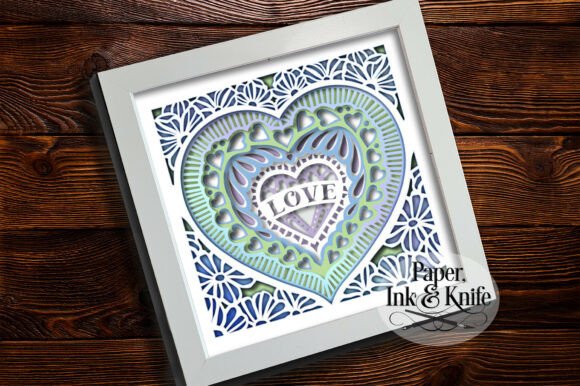
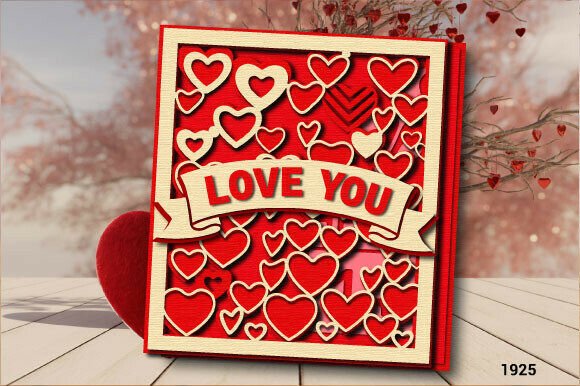
The immediate takeaway from this design is its romantic, intricate nature. The "Love You" typography combined with a heart pattern background suggests a vintage, handcrafted aesthetic. In a paper-cut context, this relies on negative space and layering to create depth. For us embroiderers, this translates to a need for careful management of stitch density and fill types. The layout feels balanced, avoiding the cluttered look that often plagues holiday-themed graphics. It has a soft, inviting visual personality that screams "boutique quality" rather than mass-produced novelty. This is the kind of artwork that elevates a simple item into a keepsake.
Real-World Application: A Case Study
To truly test the viability of this design, I imagined a specific scenario for a small shop owner. Picture a custom order for a high-end boutique specializing in personalized gifts. The client wants a limited run of premium canvas tote bag design options for a Galentine's Day event. They want something that looks expensive but feels durable.
If I were digitizing or adapting the Love You Pattern Valentine Card SVG 1925 for this project, I would steer away from trying to replicate all eight paper layers literally, as that would result in excessive bulk. Instead, I would interpret the layers through thread variation. Imagine using a matte satin stitch for the bold "Love You" lettering to give it a smooth, raised finish, while utilizing a textured fill stitch for the heart pattern background to mimic the look of cut paper without the stiffness. On a natural cotton tote, this contrast in texture would be striking. The design fits perfectly here because it is detailed enough to justify a higher price point but not so dense that it compromises the bag's flexibility.
Beyond tote bags, this design shines on sweatshirt embroidery. The cozy nature of fleece pairs beautifully with the romantic theme. However, one must be cautious. Sweatshirts are thick, and adding a heavy, multi-layered design can make the garment unwearable. A smart approach would be to use this as an applique design. You could cut the heart pattern from a contrasting felt or flannel and use the SVG lines as a guide for a clean running stitch or narrow satin border. This reduces stitch count, saves thread, and maintains the layered look promised by the original 3D SVG concept.
Technical Considerations and Fabric Challenges
While the aesthetic potential is high, there are technical hurdles to clear before hooping up. The intricate details in the heart pattern background require scrutiny. If you are working with a small hoop size, you might need to isolate elements of the design, which could disrupt the overall composition. Furthermore, fine details can get lost on textured fabrics like terry cloth or heavy linen. For these materials, simplifying the background pattern is essential to maintain stitching clarity.
Stretchy fabrics present another challenge. If you attempt this on a baby onesie for baby embroidery, the density of the fill stitches could cause significant puckering, making the garment uncomfortable against sensitive skin. In such cases, I strongly advise using a high-quality cut-away stabilizer rather than tear-away. The stability is non-negotiable for a design with this much detail. Additionally, curved surfaces like caps or hats are generally poor candidates for this specific layout unless the design is significantly simplified. The flat, expansive nature of the heart pattern does not wrap well around a crown without distortion.
Color choice is also critical. The original file likely assumes a white or light background. If you are stitching on dark fabric, you cannot simply rely on the thread colors provided in the default palette. You may need to add a underlay or a backing layer to prevent the dark fabric from showing through the lighter thread colors, which can ruin the crispness of the "Love You" text.
Business Value and Brand Consistency
For an Etsy seller or creative entrepreneur, the perceived value of a handmade product often hinges on the professionalism of the finish. A design like Love You Pattern Valentine Card SVG 1925, when executed correctly, signals attention to detail. It tells the customer that thought went into the creation, fostering trust and encouraging repeat business. It is not just a holiday decoration; it is a brand asset.
Using this design for commercial embroidery projects, such as branded merchandise for a wedding planner or a florist, can enhance brand recognition. The romantic, classic style aligns well with industries focused on love and celebration. However, consistency is key. If your brand usually features modern, minimalist line art, this intricate, layered style might feel out of place. Ensure that the visual personality of the design matches your existing catalog to maintain a cohesive shop identity.
Practical Notes for the Designer
Before committing to a full production run, follow these steps to ensure success:
- Test on Scrap Fabric: Always stitch out a sample on the exact same material and weight you plan to use for the final product. This reveals issues with tension and density immediately.
- Check Thread Contrast: View your design in black and white mockups. If the details disappear in grayscale, the contrast between your thread colors and the fabric is insufficient.
- Review Stitch Density: High-density areas can cause needle heat and thread breakage. If the preview looks too solid, consider reducing the fill density or increasing the pull compensation.
- Verify Licensing: Since this is a digital asset originally intended for paper crafts, confirm the license terms regarding commercial embroidery. Ensure you have the right to sell finished items or modified digital versions.
- Inspect Small Details: Zoom in on the tiny corners of the heart patterns. These are prime spots for thread bunching. You may need to manually adjust the stitch path in your software.
In conclusion, the Love You Pattern Valentine Card SVG 1925 offers a beautiful foundation for holiday embroidery and year-round romantic gifts. It is not a plug-and-play solution for every fabric or machine, but with thoughtful adaptation and respect for the limitations of thread versus paper, it can become a standout piece in your portfolio. Whether you are creating a personalized gift for a loved one or expanding your small shop product line, this design rewards the designer who takes the time to understand its structure. Treat it with the care it deserves, and your finished product will speak volumes.