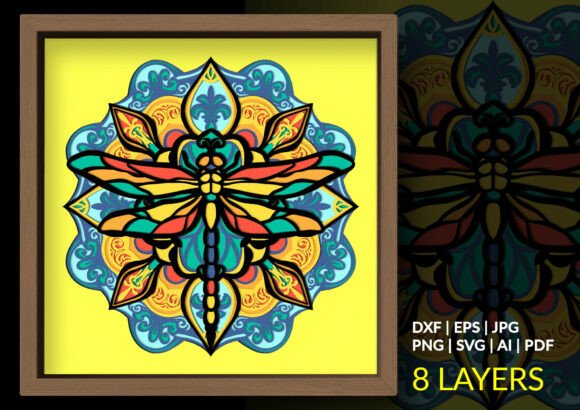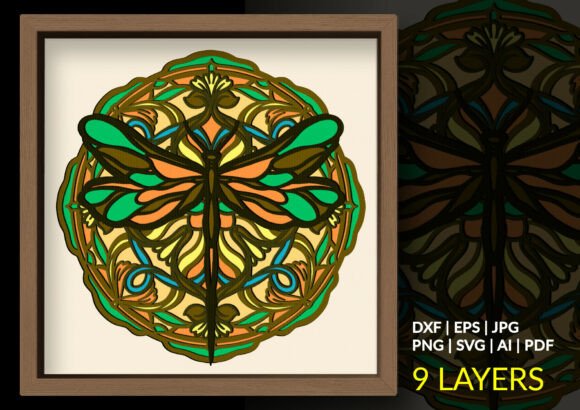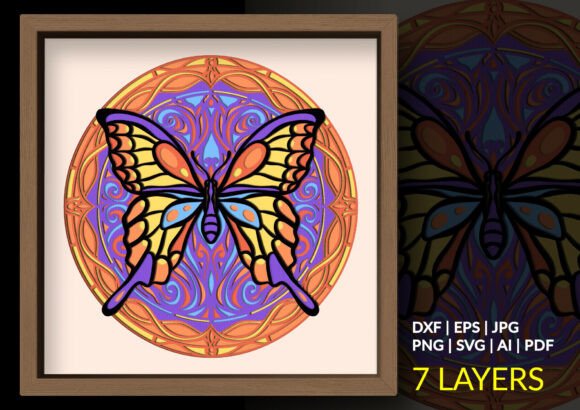
Review: Art Nouveau Butterfly Mandala Shadow Box
As a designer who spends more time staring at stitch maps than most people spend looking at actual art, I approach every new machine embroidery design with a mix of excitement and skepticism. We have all been burned by beautiful preview images that turn into thread nests on the hoop. So, when I pulled up the files for the Art Nouveau Butterfly Mandala Shadow Box, my first instinct wasn't to hit "start," but to analyze the flow. This isn't just another butterfly; it is a complex interplay of organic symmetry and vintage flair that demands respect from your machine and your fabric choices.
The first impression of this embroidery file is its mood. It feels less like a standard decorative motif and more like a piece of jewelry intended for fabric. The Art Nouveau influence is immediate, characterized by those sweeping, whiplash curves and the naturalistic yet stylized wing patterns. For a craft business owner or an Etsy seller looking to elevate their brand, this kind of visual personality is gold. It signals sophistication. However, sophistication in design often translates to complexity in execution. The mandala structure implies radial symmetry, which can be tricky if the tension isn't perfect, but the layout here seems forgiving enough for intermediate users while offering enough detail to satisfy advanced stitchers.
Real-World Application: The Boutique Tote Scenario
To truly test the viability of this design, I imagined a specific client request: a custom, high-end tote bag for a local botanical garden's gift shop. They wanted something that felt handmade but looked expensive. This is where the Art Nouveau Butterfly Mandala Shadow Box shines. Unlike a simple satin stitch outline that might get lost on a canvas bag, the intricate wing details and the layered nature of the mandala create depth.
If you are planning a tote bag design or a heavy linen pillow cover, the density of this pattern adds substantial texture. In a real-life scenario, stitching this onto a natural cotton canvas with earthy thread colors—moss greens, burnt oranges, and deep teals—would result in a finished product that customers immediately want to touch. The tactile quality of the fill stitch areas against the smoother background fabric creates a premium feel. For a small shop product, this differentiation is crucial. It moves the item from "generic merchandise" to "artisan collectible."
However, we must talk about the "Shadow Box" aspect mentioned in the title. While this is a digital 3D SVG asset often used for layered paper crafts or laser cutting, adapting it for embroidery requires a shift in thinking. In thread, we simulate depth through stitch direction and density rather than physical layers of material. If you are using this as a reference for an applique design, you could absolutely cut individual mandala rings from different fabrics and stack them. But as a direct stitch-out, the design relies on your thread work to create that illusion of dimension. It works exceptionally well for holiday embroidery gifts or wedding gifts where the recipient appreciates fine detail.
Navigating Fabric and Hoop Constraints
No review is complete without discussing where things might go wrong. The level of detail in the butterfly wings means this design is not suitable for every surface. If you are attempting sweatshirt embroidery on a fuzzy fleece, you will lose the fine lines of the mandala. The fabric texture will swallow the smaller running stitch elements, turning what should be delicate veins into a blurry mess. Similarly, stretchy knits used in baby embroidery projects require extreme caution. Unless you are an expert at managing stretch with heavy-duty stabilizer, I would advise against placing this on a onesie or a stretchy cap.
Curved surfaces are another danger zone. A baseball cap has a limited stitching field and a pronounced curve. Trying to force a radial mandala onto a front panel often leads to registration issues where the left and right sides of the design don't meet perfectly in the center. For custom apparel like caps, stick to flat panels or consider resizing the design significantly, though you risk losing the intricacy that makes the Art Nouveau Butterfly Mandala Shadow Box special in the first place.
Regarding hoop size, always check the specific dimensions provided in the download package before purchasing. Designs of this complexity usually require a medium to large hoop to maintain the integrity of the outer rings. If the design is too large for your available hoop, do not attempt to split and re-hoop unless you have precise alignment marks. For a commercial embroidery run, consistency is key, and manual re-hooping introduces too much variable risk.
Enhancing Brand Value and Visual Appeal
Why choose this over a simpler butterfly? It comes down to perceived value. When a customer sees the Art Nouveau Butterfly Mandala Shadow Box on a personalized gift or a boutique item, they recognize the effort involved. This builds customer trust and justifies a higher price point. It suggests that the maker cares about aesthetics and quality. For digital product sellers creating printable mockups, this design offers a stunning visual anchor. Even if you are selling the design assets themselves, showing this stitched out on a dark, rich velvet or a crisp white linen demonstrates versatility.
The color palette you choose will dictate the final vibe. For a modern twist, try monochromatic threads—different shades of blue on a navy background. This highlights the stitch density variations without the distraction of contrasting colors. Conversely, a high-contrast approach with metallic threads can make the butterfly pop, ideal for holiday embroidery or evening wear accessories. Just remember to test your thread colors on scrap fabric first. What looks good on the screen might clash unexpectedly once the light hits the sheen of the rayon or polyester thread.
Final Designer Notes for Success
Before committing this design to a client's garment, treat it like any other critical embroidery project. Run a test stitch-out on a scrap piece of the exact fabric you intend to use. Check the back of the hoop as well; excessive jumping or poor trimming can ruin the comfort of a wearable item. Inspect the small details in the mandala's center—are they clearing properly, or is there bird-nesting?
Also, verify the licensing terms. While many designs allow for commercial use on finished physical goods, restrictions often apply to reselling the digital embroidery file itself. Ensure you are compliant if you plan to sell this as part of a craft business inventory. Finally, consider the end user's lifestyle. If this is going on a kitchen towel or an apron that will see frequent washing, ensure your stabilizer choice is cut-away rather than tear-away to prevent the dense stitching from puckering over time.
In conclusion, the Art Nouveau Butterfly Mandala Shadow Box is a powerful tool for the thoughtful creator. It bridges the gap between vintage elegance and modern crafting capabilities. Whether you are making a single embroidered patch for a jacket or a full collection for a boutique, this design rewards patience and precision with a truly stunning result.